Boundary Waters Permit Demand Reaches Record Levels for Upcoming Season
Forest Service officials report unprecedented interest in overnight permits for the Boundary Waters Canoe Area Wilderness this season.
February 12, 2026

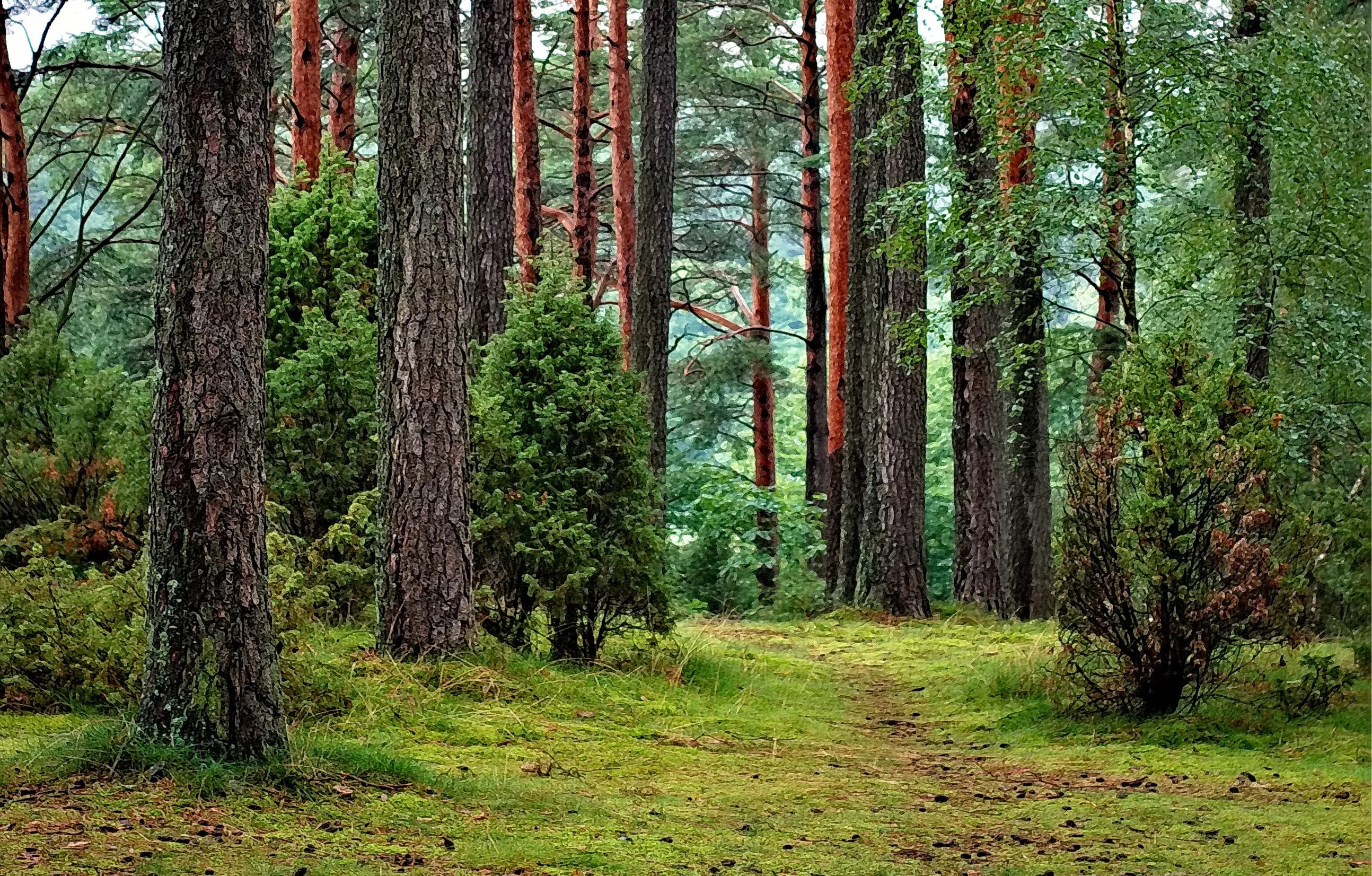
Photo: Pexels/Adrien Olichon
Forest Service officials managing the Boundary Waters Canoe Area Wilderness report unprecedented demand for overnight entry permits ahead of the upcoming paddling season, continuing a years-long trend of growing interest in the million-acre wilderness area along the Minnesota-Ontario border. Permit reservation systems saw especially high traffic during the opening window this year, with many popular entry points filling within the first hours of availability.
Wilderness managers say the sustained growth in demand reflects both a broader national increase in outdoor recreation interest and specific attention the Boundary Waters has received in recent years as a premier wilderness canoeing destination increasingly known well beyond Minnesota's borders.
Managing Growing Visitor Interest
The permit system, which limits the number of overnight groups entering through each designated entry point per day, exists specifically to protect the wilderness character that draws visitors in the first place, preventing overcrowding that could diminish both the ecological health of the area and the sense of solitude central to the Boundary Waters experience. Officials say maintaining these limits, even amid growing demand, remains a firm management priority rather than something likely to be relaxed simply because more people want permits than are currently available.
Outfitters serving the region report fielding significantly more inquiries from first-time visitors in recent years, a shift from a visitor base that was historically dominated by experienced paddlers with multiple previous Boundary Waters trips. This has prompted some outfitters to expand orientation services and gear guidance specifically aimed at newcomers less familiar with wilderness camping and canoe travel logistics.
Forest Service staff emphasize that increased visitor interest, while generally positive for regional tourism economies in gateway communities like Ely and Grand Marais, also requires continued investment in education about wilderness travel practices, including proper food storage, campsite selection, and Leave No Trace principles that help preserve the area for future visitors.
Balancing Access With Conservation Goals
Conservation groups monitoring the Boundary Waters say growing visitor numbers make continued vigilance around impact monitoring more important than ever, tracking indicators like campsite degradation and water quality that can signal when visitor levels are beginning to strain the wilderness area's ecological capacity, even within the existing permit limits.
Forest Service officials describe the permit system as working generally as intended, allowing continued public access while limiting environmental impact, though they acknowledge that persistently high demand means many interested visitors will continue to be unable to secure permits for their preferred entry points and travel dates. Officials say they expect to continue monitoring both demand patterns and ecological indicators closely, evaluating whether any adjustments to the permit system might eventually be warranted as visitor interest in the Boundary Waters continues at its current elevated level.