St. Cloud Manufacturing Executive Leads Automation Investment Push
Daniel Osei is guiding a St. Cloud manufacturer through a significant automation upgrade while working to reassure workers about job security.
February 27, 2026

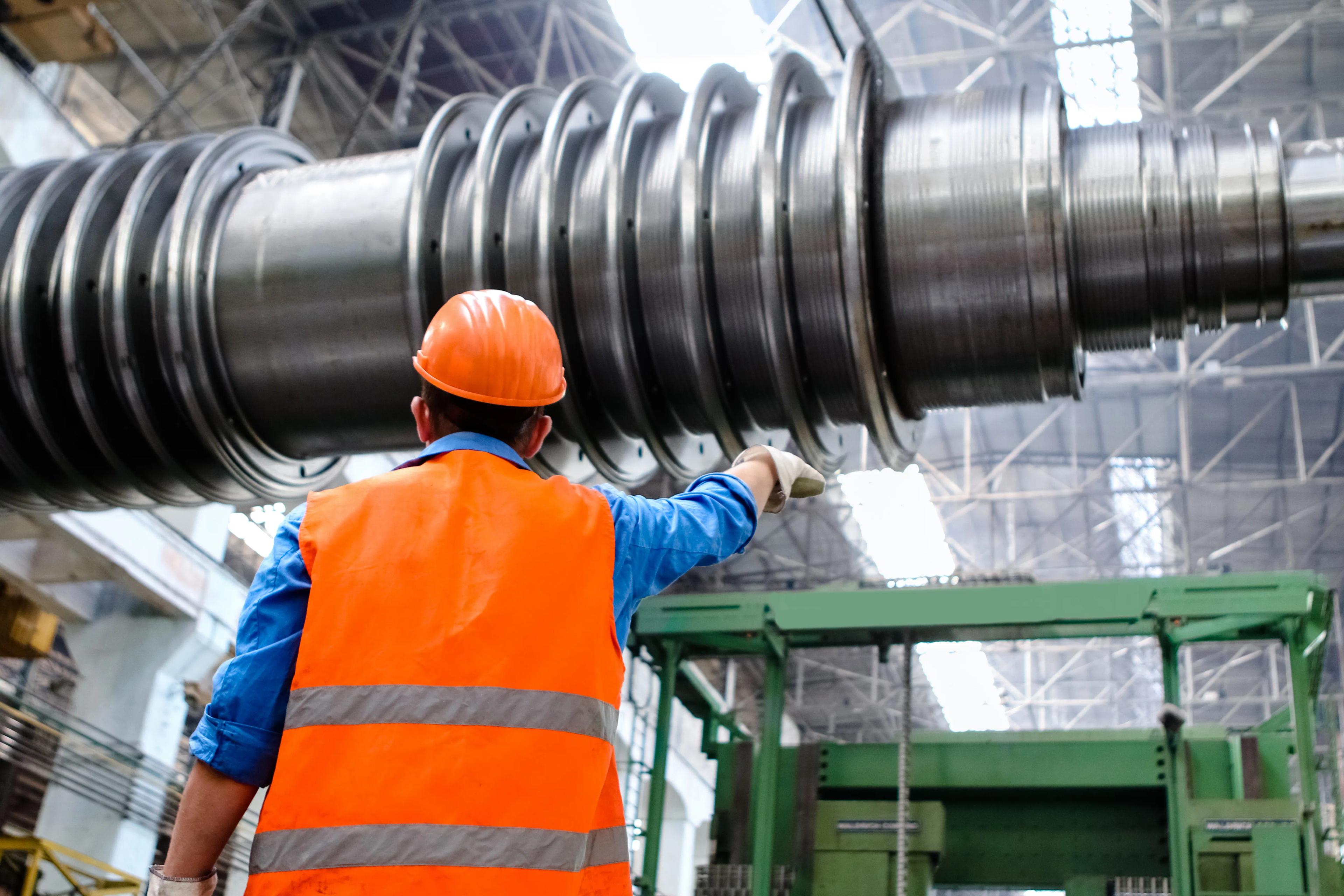
Photo: Pexels/Tiger Lily
Daniel Osei has spent the past two years leading a significant automation investment at a St. Cloud manufacturing company where he serves as plant operations director, a process he describes as necessary for the company's competitiveness but one that has required careful communication with a workforce understandably concerned about what increased automation might mean for their jobs.
The company manufactures precision metal components for industrial equipment, an industry where Osei says automation has become increasingly necessary to remain price-competitive against both domestic and international manufacturers who have already invested heavily in automated production lines. He says the investment decision was driven less by a desire to reduce headcount and more by a need to improve consistency and precision on complex components where manual processes had begun to create quality control challenges.
Addressing Workforce Concerns Directly
Osei says he made an early decision to communicate openly with plant workers about the automation plans, rather than allowing rumors and uncertainty to spread before official announcements. He held regular informational sessions explaining which specific production processes would be automated and, importantly, which roles would shift toward machine oversight and maintenance rather than being eliminated entirely.
Some positions have changed significantly as a result of the automation investment, with workers previously performing manual assembly tasks now trained to operate and monitor automated equipment instead. Osei says this transition has required substantial retraining investment, and he has prioritized promoting from within the existing workforce for these new technical roles rather than hiring externally wherever possible.
Not every employee concern has been fully resolved, Osei acknowledges, and some workers remain skeptical about long-term job security as automation continues to expand within the facility. He says maintaining trust requires continued transparency as the automation rollout progresses, rather than treating employee communication as a one-time announcement early in the process.
Balancing Efficiency Gains With Community Impact
Osei frames the automation investment within a broader context of the company's long-term viability in St. Cloud, arguing that failing to modernize production capabilities could ultimately put more jobs at risk if the company became uncompetitive against manufacturers who have already automated similar processes elsewhere.
He also points to the company's continued local hiring for newly created technical maintenance and programming roles as evidence that automation, done thoughtfully, does not have to mean an overall reduction in the local manufacturing workforce, even as the specific nature of available jobs shifts over time. Osei says he expects continued incremental automation investment in the years ahead, paired with ongoing training programs developed in partnership with regional technical colleges to help build a pipeline of workers qualified for the more technical roles that increased automation continues to create within the plant.