Brainerd Lakes Area Volunteer Network Expands Winter Support Programs
A regional volunteer coalition is expanding programs that help elderly and low-income residents prepare for harsh Minnesota winters.
December 14, 2025
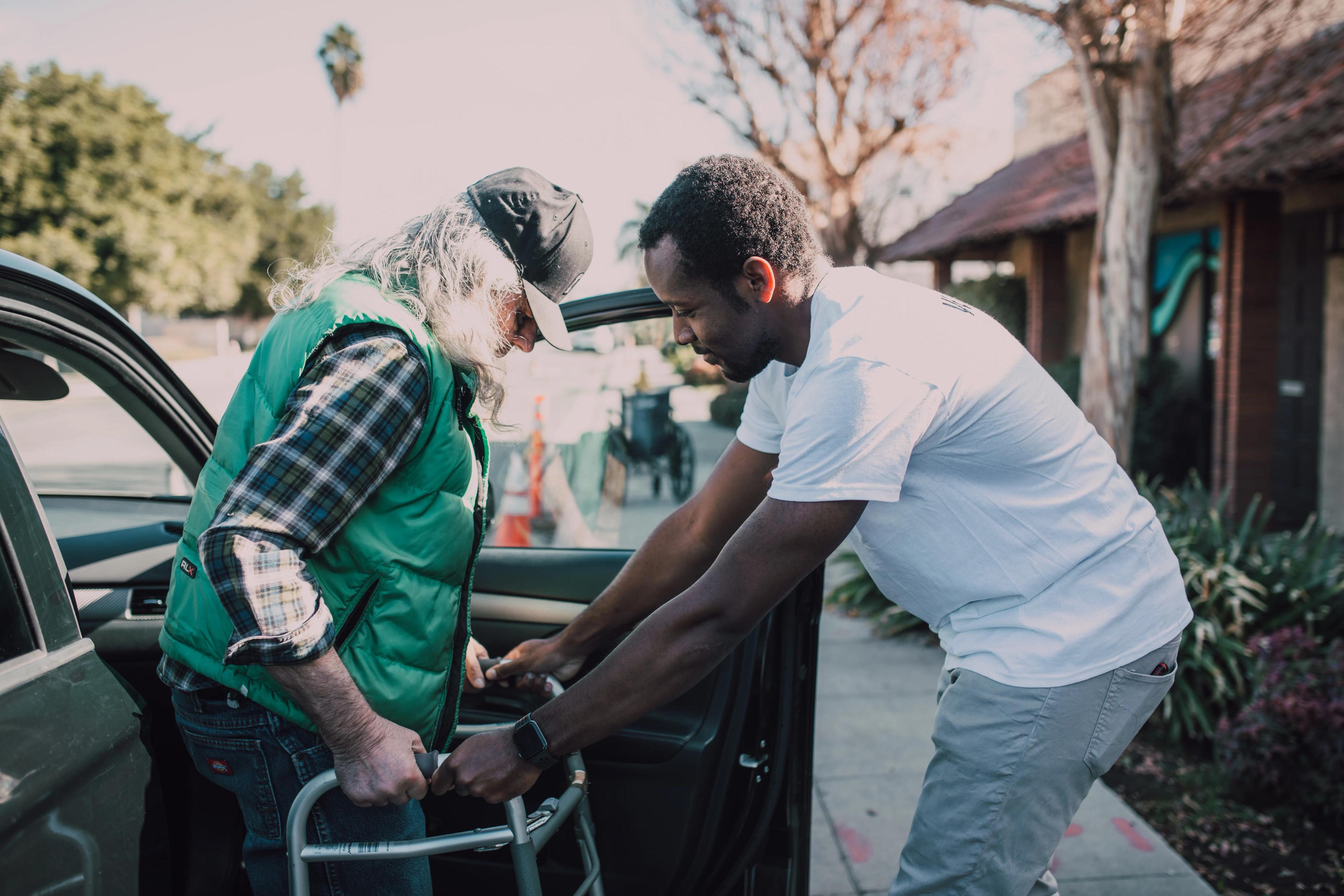
Photo: Pexels/RDNE Stock project
A volunteer coalition serving the Brainerd lake communities has expanded winter preparedness programs aimed at helping elderly and low-income residents manage the practical challenges of harsh Minnesota winters, including home heating assistance, snow removal support, and transportation help for medical appointments during hazardous weather conditions. Organizers say demand for these services has grown in recent years as the region's population of older residents has increased.
Coalition leaders describe winter preparedness as an area where a relatively modest amount of volunteer coordination can make a significant difference in resident safety and wellbeing, since many of the challenges facing elderly residents during Minnesota winters involve tasks that are straightforward for volunteers to help with but genuinely difficult for people with limited mobility or fixed incomes to manage entirely on their own.
Coordinating Volunteers Across a Rural Region
One of the coalition's central challenges involves coordinating volunteers across a geographically spread-out lake region, where residents needing assistance may live considerable distances from both the coalition's central coordination office and from available volunteers. The organization has developed a more structured neighborhood-based volunteer matching system to address this challenge, aiming to pair residents with volunteers who live reasonably close by.
Snow removal assistance has become one of the most requested services, particularly following heavier snow years when clearing driveways and walkways becomes both physically demanding and, for older residents, potentially dangerous due to fall risk and cardiac strain from shoveling heavy snow. Volunteer coordinators say they prioritize matching physically capable volunteers with residents who have specifically identified snow removal as a safety concern.
Transportation assistance for medical appointments has also expanded, with volunteer drivers helping residents reach appointments when winter road conditions make driving unsafe or when residents no longer drive themselves due to age or health conditions. Coordinators say this service has proven particularly valuable during severe weather stretches when regular appointment transportation options may be unavailable or unreliable.
Recruiting and Retaining Volunteer Capacity
Coalition leaders acknowledge that volunteer recruitment remains an ongoing challenge, particularly finding volunteers available during weekday daytime hours when many transportation and errand assistance requests arise, a time when many potential volunteers are themselves working. The organization has expanded outreach to retirees and flexible-schedule workers who may have more availability during these needed hours.
Looking ahead, coalition organizers say they hope to continue expanding both volunteer recruitment and the range of services offered, while acknowledging that sustainable growth requires careful attention to volunteer capacity rather than promising more assistance than the organization can reliably deliver. They describe the expanded winter support programs as reflecting a broader commitment to help the Brainerd lakes area's aging population continue living safely and independently in the communities they call home, despite the genuine challenges that Minnesota winters present.