Wetland Restoration Projects Grow Through Partnerships With Farmland Owners
Conservation organizations are working with farmers to restore wetlands on marginal cropland, balancing conservation goals with agricultural economics.
November 11, 2025
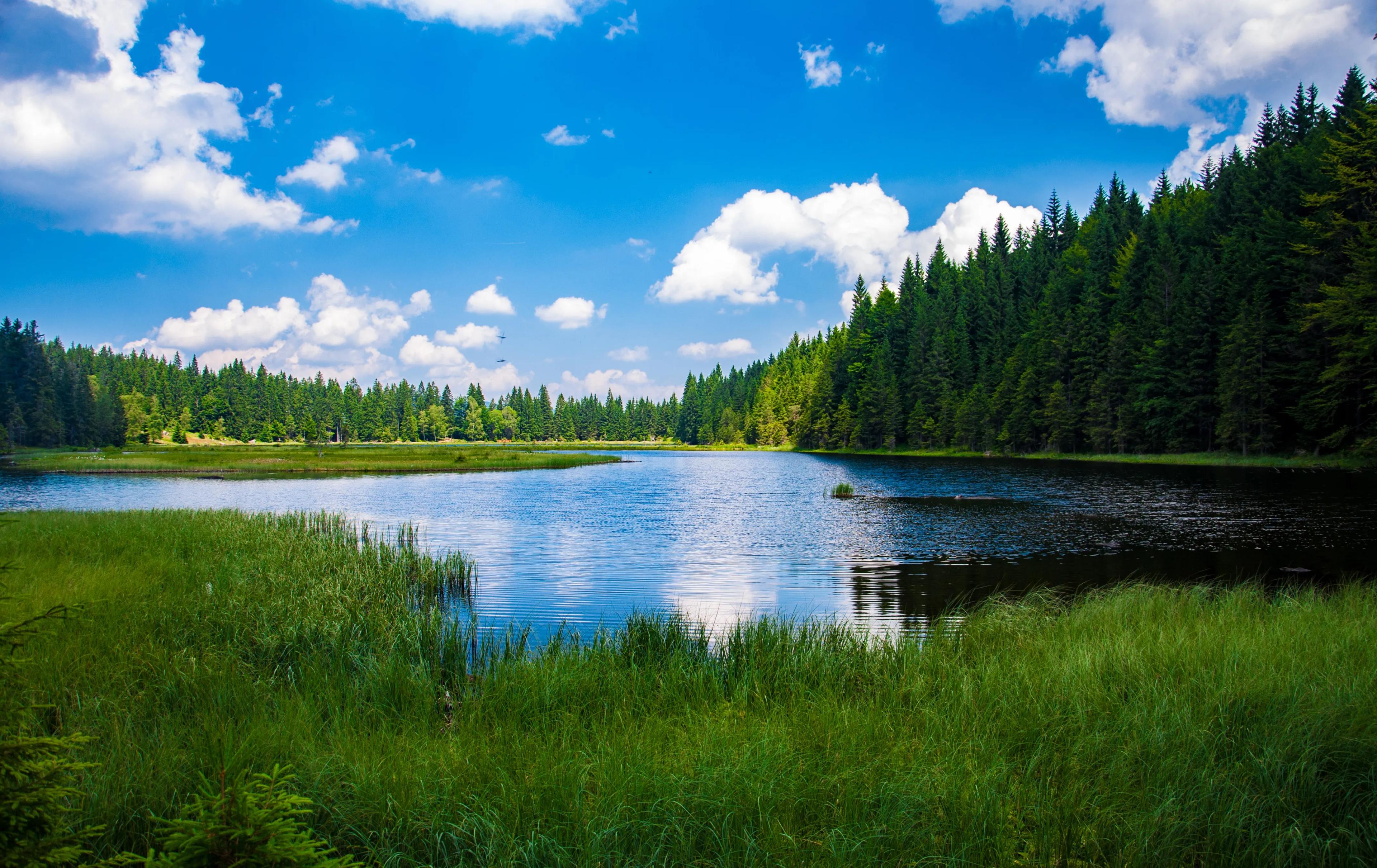
Photo: Pexels/James Wheeler
Conservation organizations working across Minnesota's agricultural regions have expanded wetland restoration partnerships with farmland owners, focusing on marginal cropland that consistently underperforms compared to a farm's more productive acreage. These partnerships convert struggling farmland back into functioning wetlands, providing wildlife habitat and water quality benefits while offering farmers financial compensation for land that often generated limited return as active cropland in the first place.
Conservation staff say identifying the right restoration candidates requires careful evaluation, since not every farm has marginal land suitable for restoration, and the program depends on farmers voluntarily choosing to participate rather than any mandatory land use requirement. Successful projects typically involve land that floods frequently or has historically produced inconsistent crop yields due to poor drainage.
Making the Economic Case to Farmers
Conservation organizations emphasize that wetland restoration partnerships are structured to work economically for participating farmers, not solely as a conservation ask. Financial compensation, often through a combination of conservation easement payments and available government cost-share programs, is designed to provide farmers with more reliable long-term value than continuing to farm consistently underperforming acreage.
Farmers who have participated in restoration projects describe the decision as ultimately a practical one, converting land that had become a persistent source of frustration, whether from equipment getting stuck in poorly drained fields or from consistently disappointing yields, into a source of stable payment without the ongoing input costs and uncertainty of farming that particular parcel each season.
Restored wetlands also provide benefits that extend beyond the individual farm, conservation staff note, including improved water quality downstream as wetlands filter agricultural runoff before it reaches larger waterways, and expanded habitat for waterfowl and other wildlife species that rely on wetland ecosystems increasingly fragmented by decades of agricultural drainage across the Midwest.
Balancing Conservation Goals With Agricultural Economics
Conservation organizations acknowledge that wetland restoration on agricultural land requires careful navigation of farmers' legitimate economic concerns, and staff say building trust with the agricultural community has taken sustained relationship-building rather than treating restoration purely as an environmental imperative disconnected from farm economics.
Agricultural groups have offered mixed but generally more receptive views of these partnerships compared to more restrictive conservation regulations, since the voluntary, compensated nature of restoration partnerships respects farmers' property rights and economic decision-making rather than imposing land use restrictions without corresponding compensation. Conservation organizations say they expect continued interest in these partnerships as more farmers learn about the program and observe successful restoration projects on neighboring farms, viewing the voluntary, economically grounded approach as a sustainable long-term model for continuing wetland restoration progress across Minnesota's agricultural landscape.