Winter Recreation Businesses Adapt to Increasingly Variable Snow Conditions
Cross-country ski centers and snowmobile trail groups are investing in snowmaking and grooming technology as natural snowfall grows less predictable.
January 5, 2026
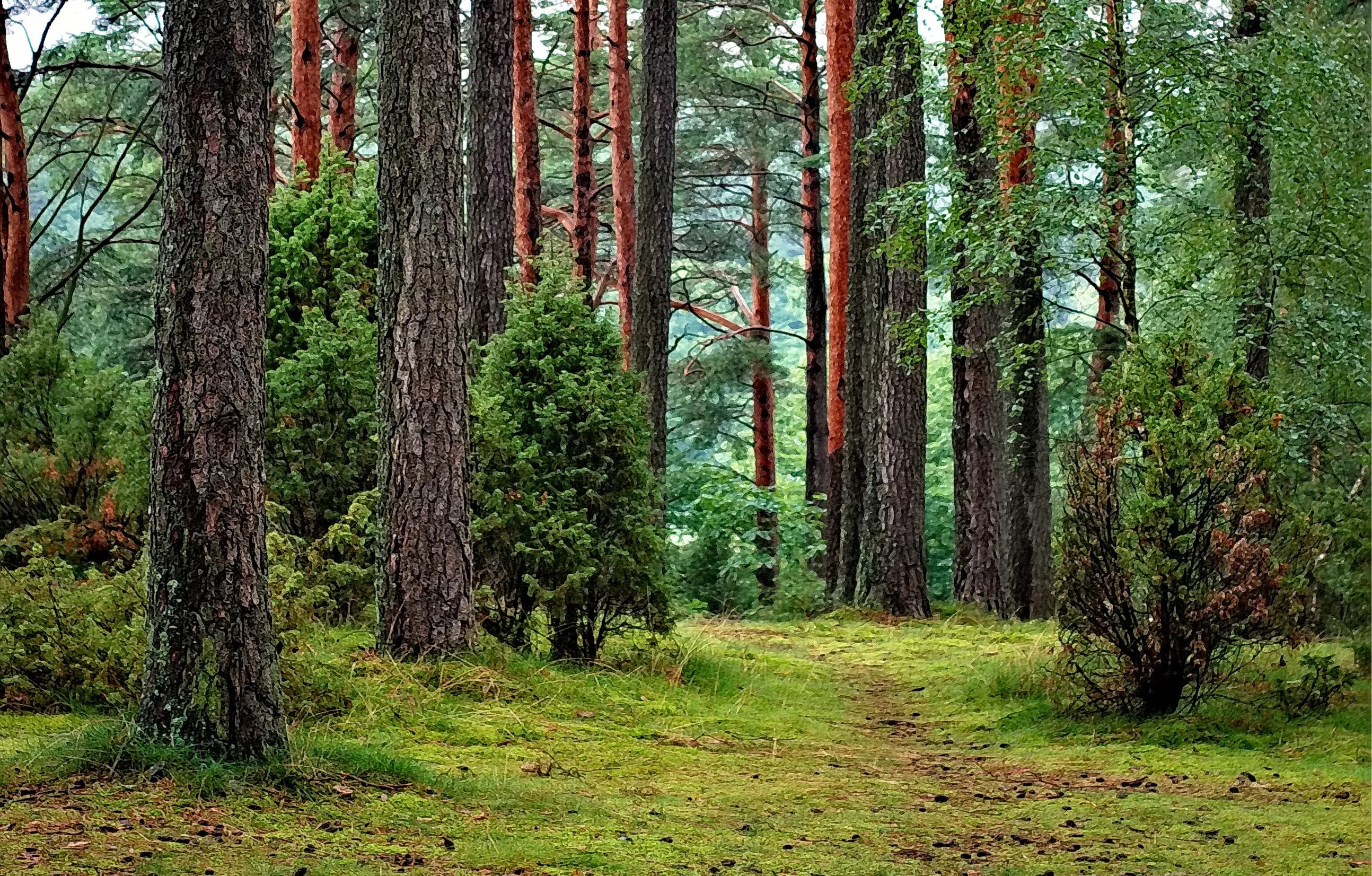
Photo: Pexels/Vlad Cheu021ban
Winter recreation businesses across Minnesota, including cross-country ski centers and snowmobile trail associations, have invested in snowmaking equipment and more advanced trail grooming technology as natural snowfall patterns have grown less predictable in recent years, sometimes delivering less consistent early-season snow than operators and enthusiasts have historically relied upon for a full winter recreation season.
Ski area operators say variable snow conditions have made supplemental snowmaking capability increasingly important for maintaining reliable operations, particularly during the crucial early season period when consistent natural snow can no longer always be assumed, even in Minnesota's traditionally snow-reliable northern regions.
Investing in Snowmaking Infrastructure
Cross-country ski centers, which traditionally relied entirely on natural snowfall unlike downhill ski resorts that have long used snowmaking technology, have begun adopting snowmaking systems on at least a portion of their trail networks, ensuring a reliable core loop remains skiable even during periods of inconsistent natural snowfall that might otherwise force full closures.
Trail groomers describe snowmaking as requiring significant upfront investment that smaller nonprofit ski clubs have sometimes struggled to finance without external grant support or fundraising specifically targeted at snowmaking equipment purchases. Larger, more established ski centers have generally had an easier path to making these investments compared to smaller community ski clubs operating on tighter budgets.
Snowmobile trail associations face different challenges, since snowmobile trails generally cannot rely on snowmaking technology given their extensive length across varied terrain, making trail associations more directly exposed to variable natural snowfall patterns. Some associations have adjusted grooming schedules and public communication to more actively update snowmobilers about current trail conditions, helping enthusiasts make informed decisions about where conditions are actually rideable during a season with more variable snow coverage.
Planning for a More Uncertain Future
Winter recreation industry representatives say planning for continued variability, rather than assuming a return to historical snowfall reliability, has become a standard part of business and organizational planning. This includes maintaining more flexible operating budgets that can absorb a shorter season in years with delayed or reduced snowfall, without the same degree of financial disruption that might have resulted in the past.
Local tourism officials in winter recreation-dependent communities acknowledge that variable conditions create ongoing planning challenges for an industry that depends heavily on visitor confidence that trails and facilities will actually be open and in good condition during a planned visit. Industry representatives say continued investment in both snowmaking technology and more responsive visitor communication represents the most practical path forward, allowing Minnesota's winter recreation economy to remain viable even as natural snowfall patterns continue showing more year-to-year variability than in past decades.