Minnesota State Colleges Deepen Workforce Training Partnerships With Employers
Two-year colleges across the system are building closer ties with regional employers to align technical programs with hiring needs.
January 22, 2026

Photo: Pexels/Pixabay
Community and technical colleges within the Minnesota State system are expanding partnerships with regional employers, aiming to close persistent gaps between what students learn in technical programs and what local businesses say they actually need. The effort spans manufacturing, health care support roles, and skilled trades across campuses in Greater Minnesota and the Twin Cities metro.
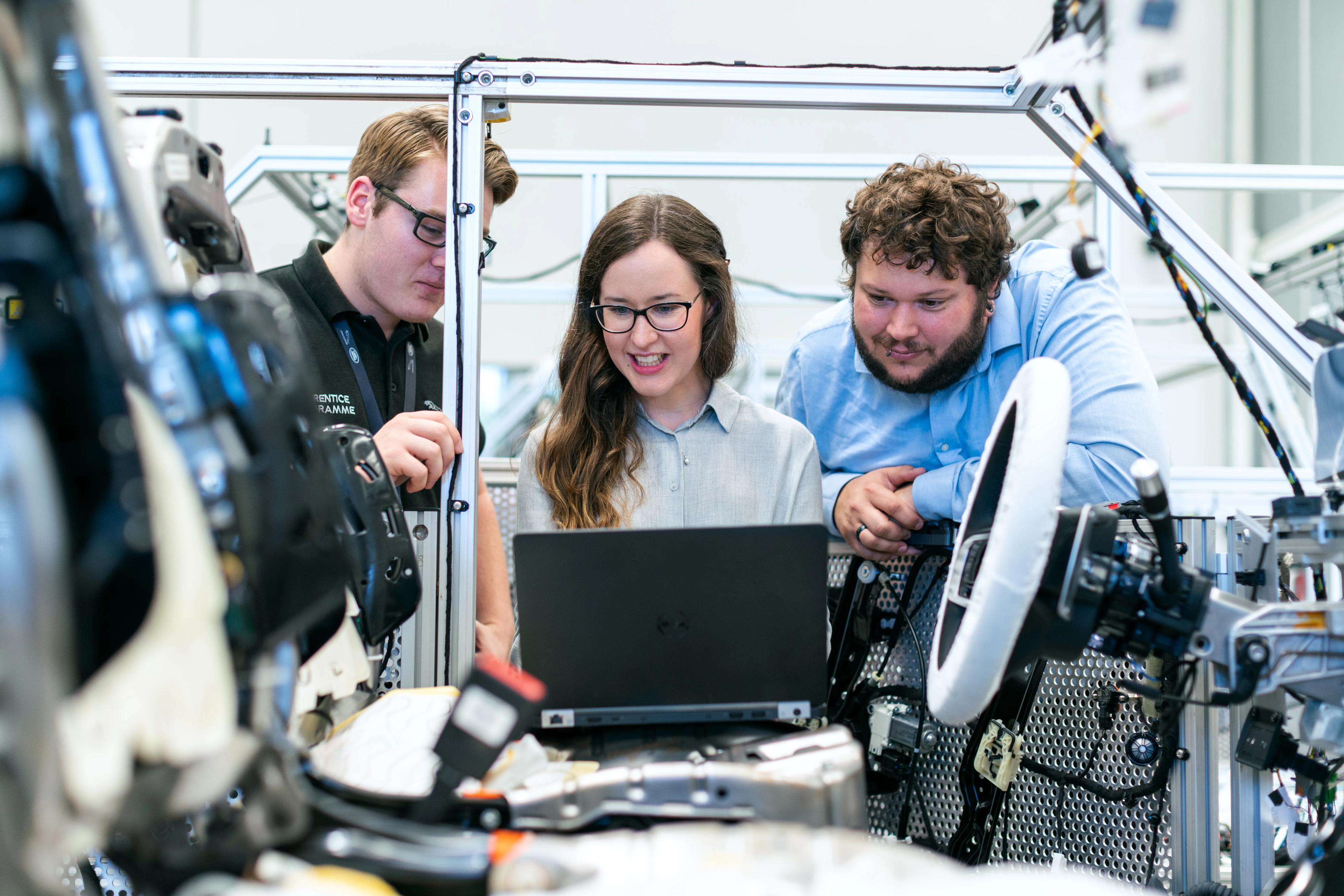
College administrators describe the partnerships as an evolution of long-standing advisory relationships, but with more direct employer involvement in curriculum design. In several programs, employers are now reviewing course materials before they are finalized and, in some cases, providing equipment or guest instruction so students train on the same systems they will encounter on the job.
Matching Programs to Regional Demand
The push comes as employers in fields like precision manufacturing and industrial maintenance report difficulty finding workers with up-to-date technical skills. College officials say the mismatch is rarely about a lack of interest from students, but rather a lag between how quickly workplace technology changes and how quickly academic programs can be revised through traditional curriculum committees.
To address that lag, several campuses have created standing employer advisory councils that meet more frequently than in the past, sometimes quarterly rather than annually. These councils give employers a more direct line to flag emerging skill needs, whether that means updated welding certifications, exposure to new software used in logistics coordination, or additional training in workplace safety standards tied to newer equipment.
Students in these programs have generally responded positively to the added employer contact, saying it gives them a clearer sense of what a normal workday looks like before they graduate. Some programs have also expanded short-term certificate options, allowing students to gain a credential and enter the workforce before completing a full associate degree, then return later to finish coursework while employed.
Balancing Flexibility With Academic Standards
Not every proposal from employer partners has been adopted wholesale. Faculty leaders note that technical colleges still need to balance employer requests with broader educational goals, including general education requirements and the kind of foundational knowledge that helps graduates adapt as specific technologies change again in the future.
Some instructors have also raised concerns about over-customizing programs to a single employer's preferences, which could limit graduates' options if that employer's needs shift or if students want to work elsewhere in the state. College leaders say they are trying to strike a balance, building strong employer relationships without narrowing programs so much that they only serve one company's specific workflow.
System officials describe the current wave of partnerships as an ongoing experiment rather than a finished model, with plans to evaluate outcomes over the next several graduating classes to see whether closer employer involvement translates into stronger job placement and retention across the state's technical and community college campuses.