St. Cloud State Builds Teacher Pipeline Aimed at Rural Minnesota Schools
A new education program pairs student teachers with rural districts facing long-standing difficulty recruiting and retaining staff.
February 19, 2026

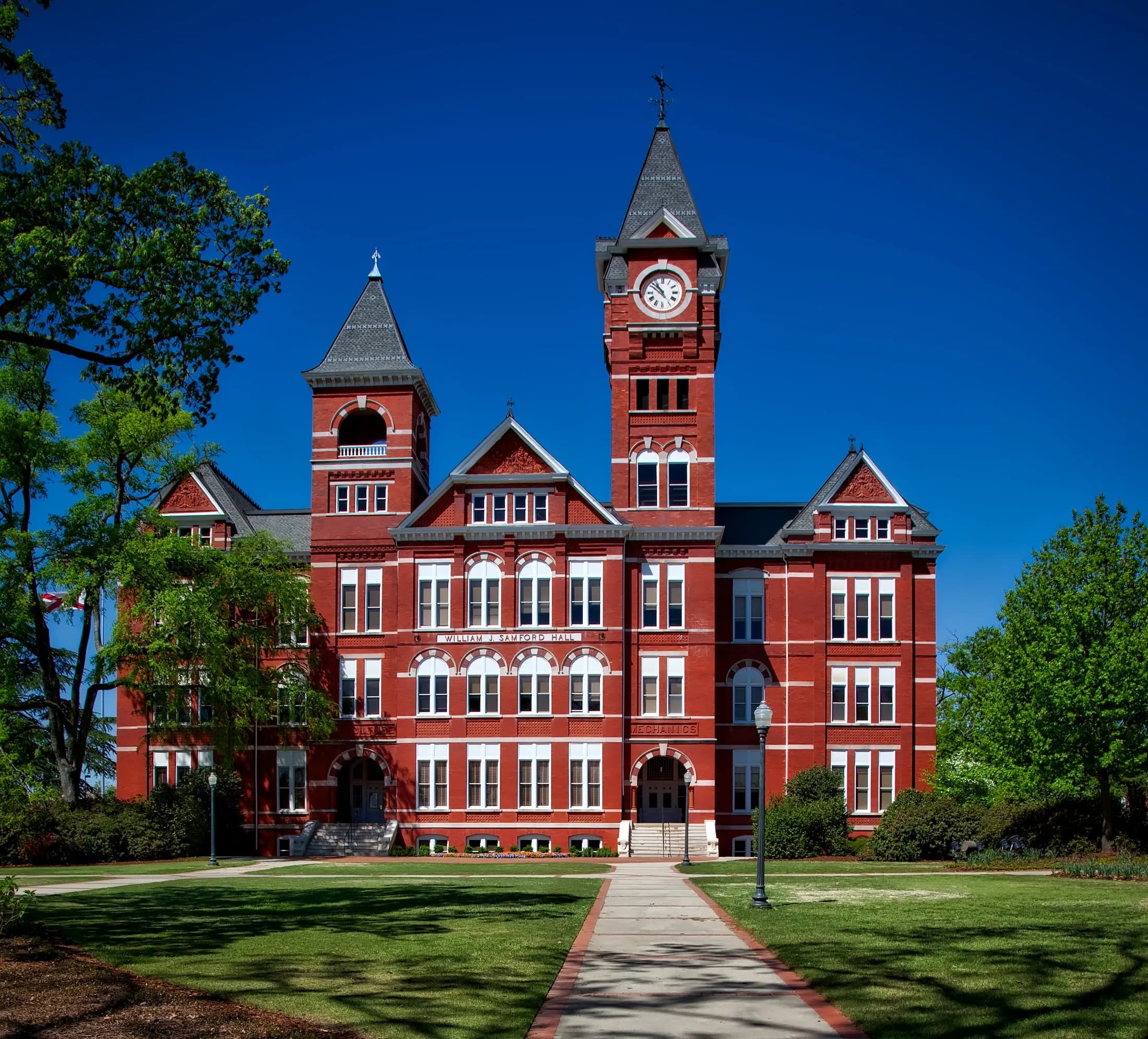
Photo: Pexels/Nappy
St. Cloud State University has built a new pipeline program connecting education students with rural Minnesota school districts, aiming to address a shortage that has left some Greater Minnesota schools struggling for years to fill teaching positions, particularly in subjects like special education, science, and math. The program places student teachers in rural placements earlier and more intentionally than in the past, hoping early exposure will encourage more graduates to consider rural careers.
Education faculty say the shortage in rural districts is not simply about lower interest from new teachers, but often reflects limited exposure. Many education students grow up in or near the Twin Cities metro and complete their entire training in suburban or urban schools, never experiencing what teaching in a small rural district actually involves before making career decisions after graduation.
Rethinking Student Teaching Placements
Under the new pipeline, education students can opt into a track that guarantees at least one significant placement in a rural district, often in communities several hours from the St. Cloud campus. The university has worked to secure housing arrangements and travel support to make these placements more feasible for students who might otherwise be unable to afford an extended stay away from campus.
Rural superintendents involved in developing the program say the goal is not simply to fill an immediate staffing gap for a single semester, but to give student teachers a genuine sense of what long-term rural teaching looks like, including smaller class sizes, closer community ties, and often broader teaching responsibilities across multiple subjects or grade levels compared to larger suburban schools.
Several student teachers who completed rural placements said the experience changed how they thought about their eventual job search, describing a sense of connection to the community that surprised them. Others acknowledged the adjustment was significant, particularly for students unfamiliar with life outside the Twin Cities metro area.
Measuring Long-Term Impact
University officials caution that it is still early to measure whether the program is successfully increasing the number of graduates who accept rural teaching positions after graduation, since the pipeline has only been running for a limited number of cohorts. They are tracking graduate employment data closely, comparing outcomes for students who completed rural placements against those who did not.
Rural school administrators say they remain cautiously optimistic, noting that even modest increases in rural hiring would represent meaningful progress given how difficult recruitment has been in recent years. Several districts have also begun offering additional incentives, including relocation assistance and mentoring programs for new hires, working alongside the university's pipeline effort in hopes of improving both recruitment and long-term retention of teachers in rural Minnesota classrooms.