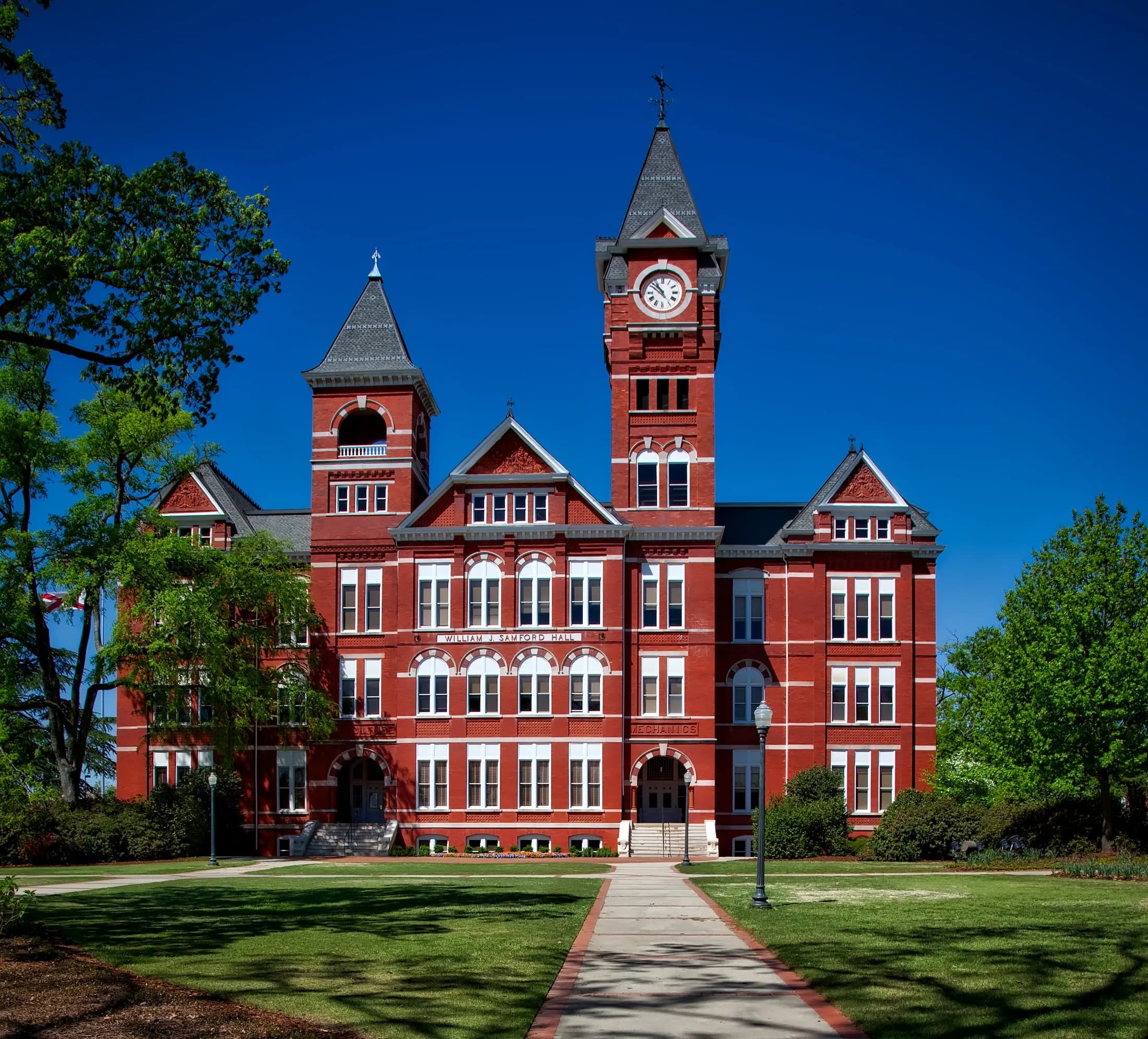
University of Minnesota Expands Artificial Intelligence Coursework Across Colleges
New AI-focused courses are reaching computer science majors and students in agriculture, public health, and the humanities alike.
February 11, 2026
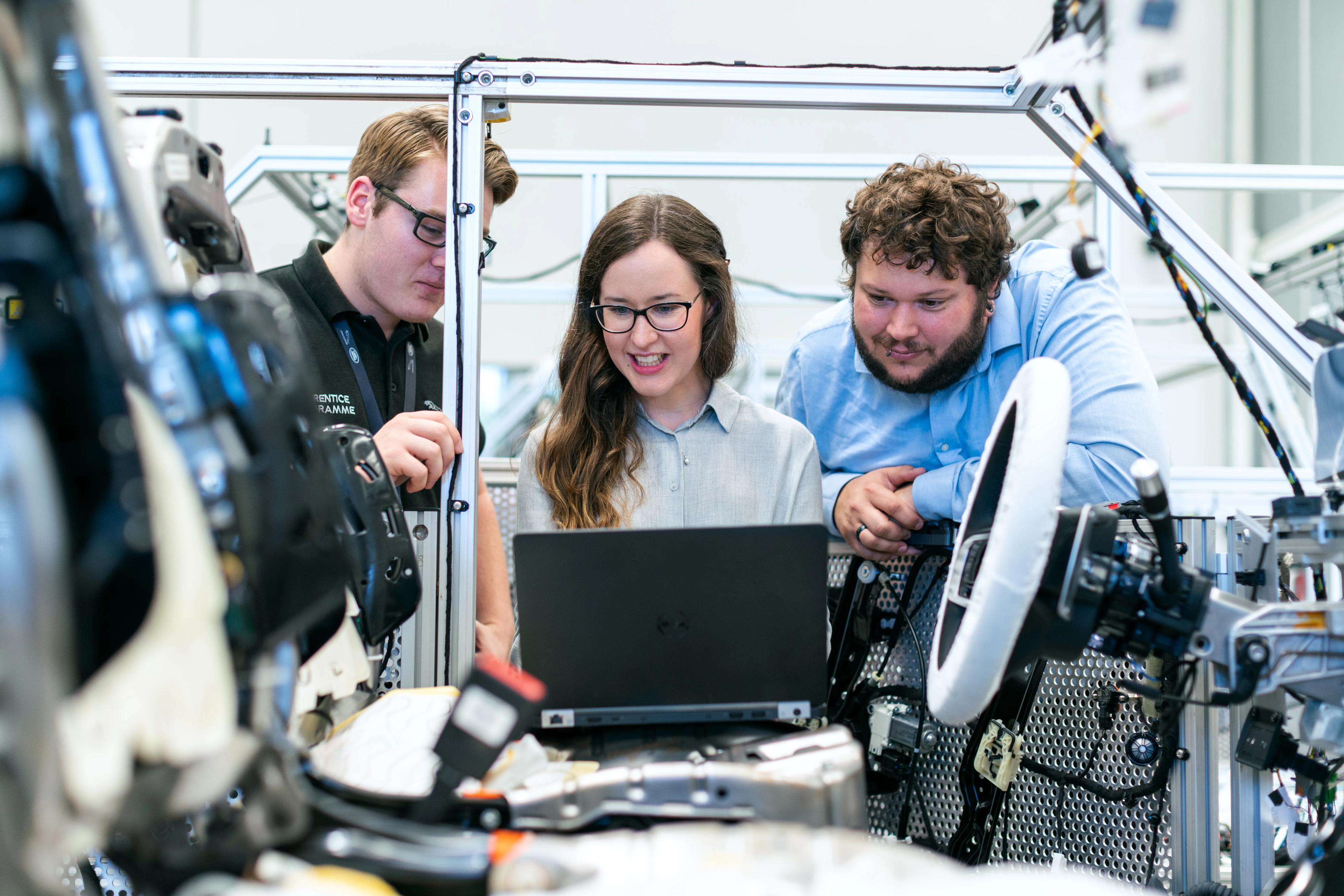
Photo: Pexels/Christina Morillo
The University of Minnesota is broadening its artificial intelligence coursework beyond the College of Science and Engineering, adding sections and workshops aimed at students studying agriculture, public health, journalism, and the humanities. Administrators describe the move as an effort to make basic AI literacy part of a well-rounded Twin Cities education rather than a specialty reserved for computer science majors.
The expansion includes new introductory modules that walk students through how machine learning systems are trained, where they tend to fail, and how to evaluate their outputs critically. Faculty members say the goal is not to turn every student into a programmer, but to help future nurses, teachers, farmers, and reporters understand the tools that are already showing up in their fields.
Cross-Disciplinary Demand Driving Growth
Interest in the new sections has come from unexpected corners of campus. The College of Food, Agricultural and Natural Resource Sciences has asked for a version of the curriculum tailored to precision agriculture, where sensor data and predictive models are increasingly used to manage irrigation and crop rotation on Minnesota farms. The School of Public Health has similarly requested modules focused on how AI tools are used in diagnostic support and population health tracking.
Instructors say this cross-disciplinary interest reflects a broader shift in how the university thinks about technical literacy. Rather than treating artificial intelligence as a niche elective, departments are beginning to fold basic concepts into required coursework, mirroring how statistics and basic computing became standard expectations in prior decades.
Some students have welcomed the change, particularly those who worry about entering the workforce without any grounding in tools their employers already use. Others have raised questions about how quickly the curriculum can keep pace with a fast-moving field, noting that course materials written even a year or two ago can already feel dated.
Faculty Training and Long-Term Planning
Behind the classroom changes is a less visible effort to train faculty members themselves. The university has organized workshops for instructors across departments, many of whom did not study AI as part of their own graduate training and are now expected to teach it, at least at an introductory level, to their students.
Administrators acknowledge that scaling this kind of training across a research university with tens of thousands of students is a slow process. Some departments have moved quickly, while others are still evaluating whether and how to incorporate the material. University officials say they expect the expansion to continue gradually over the next several academic years, with an emphasis on giving faculty the flexibility to adapt materials to their own disciplines rather than imposing a single standardized curriculum campus-wide.
For now, the changes represent an incremental but notable shift in how one of the state's largest universities is preparing students for a labor market where familiarity with AI tools is increasingly expected, even outside traditional technical fields.