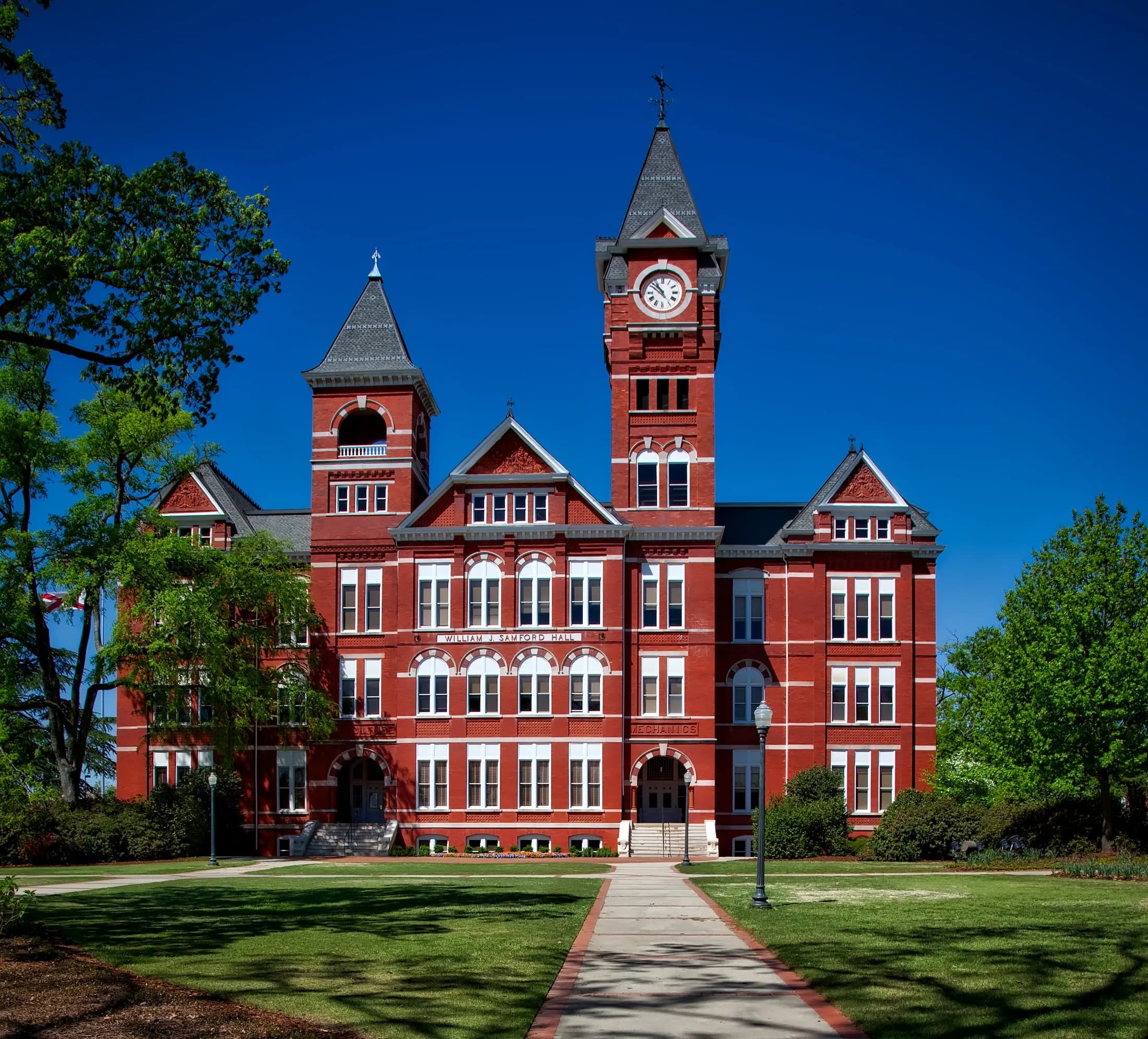
Minnesota State University, Mankato Deepens Agricultural Research Ties With Local Farmers
A new research partnership connects university faculty with area farmers testing soil health and water management practices.
October 29, 2025

Photo: Pexels/Zaeem Nawaz
Minnesota State University, Mankato has deepened its agricultural research partnerships with farmers across south-central Minnesota, expanding field trials focused on soil health and water management practices in the region's row-crop agriculture. The collaboration pairs university researchers with working farms, allowing new techniques to be tested under real growing conditions rather than only in controlled research plots.
Faculty involved in the program say the on-farm approach reflects a shift in how agricultural research is increasingly conducted, moving beyond isolated university test fields to partnerships that let farmers see results on their own land, under their own soil and weather conditions, before deciding whether to adopt new practices more broadly.
On-Farm Trials and Practical Adoption
The current round of trials focuses heavily on cover cropping strategies and reduced tillage practices, both aimed at improving soil structure and reducing nutrient runoff into nearby waterways, a concern shared by both farmers and downstream communities along Minnesota's river systems. Researchers say working directly with farmers has helped identify practical barriers to adoption that might not be obvious from a purely academic perspective, such as equipment costs or the added labor involved in managing cover crops during already busy planting and harvest windows.
Participating farmers describe the partnership as a low-risk way to experiment with new practices, since university researchers help design trials that limit financial exposure if a new technique underperforms compared to conventional methods on a portion of their acreage. Several farmers noted they were more willing to try new approaches knowing university agronomists were involved in monitoring results and interpreting data.
Graduate and undergraduate students in the university's agricultural programs have also been involved in fieldwork, gaining hands-on research experience that faculty say is difficult to replicate in a classroom setting alone. Students collect soil samples, monitor crop development, and help analyze data that ultimately informs recommendations shared back with the broader farming community.
Long-Term Goals for Soil and Water Health
University researchers say the partnership is designed to run over multiple growing seasons, since soil health changes gradually and single-year results can be misleading due to weather variation. They are tracking metrics including soil organic matter, water infiltration rates, and nutrient levels over time, aiming to build a body of region-specific data that can guide recommendations tailored to south-central Minnesota's particular soil types and climate patterns.
Extension staff involved in the program say sharing results directly with the farming community, through field days and written summaries, remains a priority alongside the research itself. The goal, they say, is not simply to publish findings in academic journals but to give farmers practical, locally relevant information they can use when deciding how to manage their land in the years ahead, particularly as concerns about water quality in Minnesota's lakes and rivers continue to grow.